Riot Games Co-Founder Reflects on 2XKO's Cancellation, Acknowledges Acquisition Shortcomings
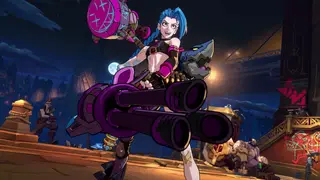
Marc Merrill, co-founder and Chief Product Officer at Riot Games, acknowledged strategic misalignment between Riot and the development team behind the fighting game 2XKO, which is ending active development in December 2026. Merrill stated that the game would have required an enormous player base to remain financially sustainable given its prolonged and costly development cycle. He also conceded that Riot has struggled with acquisitions, citing the purchases of the 2XKO development team and Hytale's Hypixel Studios as examples of challenges in integrating acquired studios.
Riot Games acquired Radiant Entertainment in 2015, a studio founded by fighting game veterans Tom and Tony Cannon, with plans to leverage the League of Legends franchise for a competitive fighting game title. After a lengthy development period marked by internal leadership changes and strategic disagreements, 2XKO entered early access in October 2025 before launching across consoles and beginning its first seasonal content cycle in January 2026.
The game's financial sustainability proved dependent on reaching an extraordinarily large audience—hundreds of thousands to millions of monthly active players—due to the inflated development costs accumulated over years of production. The title's market window was further complicated by the release of established competitors like Street Fighter 6, which launched well after 2XKO's development had begun, potentially fragmenting the fighting game audience 2XKO needed to survive as a live service.
This situation may signal challenges for major publishers attempting to scale competitive multiplayer titles beyond their core audiences. Players invested in fighting game communities could face continued consolidation around established franchises, while studios acquired by larger corporations may struggle with competing internal priorities. The cancellation could also influence how publishers evaluate development timelines and market positioning for niche competitive genres, potentially affecting future fighting game investments across the industry.