PCIe Protocol Adapts for Multi-Die Systems Using UCIe Standard
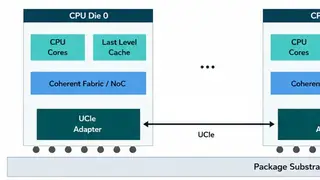
Chiplet-based architectures require specialized interconnects that differ from traditional monolithic system-on-chip designs, necessitating adaptation of proven protocols like PCI Express for die-to-die communication. The Universal Chiplet Interconnect Express standard enables PCIe 8.0 traffic to traverse chiplet boundaries with optimized latency, bandwidth, and power efficiency for in-package connections. Integration and verification of PCIe-over-UCIe systems present distinct challenges that specialized verification tools address.
Chiplet architectures break traditional monolithic designs into smaller, specialized components within a single package, improving manufacturing yield and thermal efficiency while enabling independent optimization of each die. The transition from board-level PCIe connections to in-package die-to-die communication introduces technical complexity, as PCIe and UCIe protocols operate with distinct link management, power handling, and error recovery systems that must now coordinate seamlessly across physical boundaries.
The integration challenge centers on translating high-level protocol requests into low-level physical operations. When PCIe initiates power state changes, resets, or link retraining, the UCIe adapter must interpret these commands, manage traffic flow between dies, synchronize state transitions across the boundary, and confirm readiness before PCIe resumes normal operation—a multi-layer coordination problem requiring specialized verification tools.
This development could accelerate adoption of chiplet-based processors in data centers and AI systems, where modularity and power efficiency drive competitive advantage. Engineers building complex multi-die systems may benefit from standardized protocol bridges that reduce design risk and integration time. However, the increased verification complexity could present barriers for smaller semiconductor firms lacking specialized tooling, potentially concentrating chiplet design capability among well-resourced companies with access to advanced verification platforms.