Justice Department Challenges Maryland's Law Requiring Police Identity Disclosure
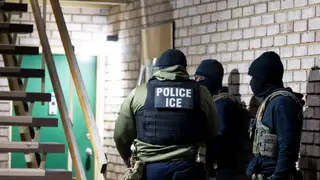
The Trump administration filed a federal lawsuit to block Maryland's law prohibiting law enforcement officers from wearing masks and requiring them to display their names, agencies, and badge numbers. The law, which took effect October 1st, was enacted in response to concerns that Immigration and Customs Enforcement officers were concealing their identities during detention operations. The Justice Department argues the state lacks authority to regulate federal law enforcement equipment and that such requirements endanger officer safety.
The Maryland law represents one of several state and local efforts to address transparency concerns surrounding federal immigration enforcement. Prince George's and Montgomery counties implemented similar identification requirements earlier in 2026, prompting the Justice Department to challenge all three jurisdictions simultaneously. The dispute centers on competing legal theories: state and local authorities contend they may regulate law enforcement conduct within their borders, while federal officials invoke the supremacy clause to argue that states cannot impose conditions on how federal agents operate.
The Trump administration has pursued comparable litigation in multiple states, suggesting a broader pattern of conflict between federal and state regulatory approaches. Maryland's Attorney General had previously cautioned that while the law might survive constitutional scrutiny, it faced substantial legal risk if challenged on supremacy grounds—a prediction the Justice Department's lawsuit now tests in court.
The outcome could reshape the balance between state and federal authority over law enforcement practices. A ruling favoring Maryland might embolden other jurisdictions to impose identity disclosure requirements on federal agents, potentially affecting immigration enforcement operations nationwide. Conversely, a Justice Department victory could limit states' ability to regulate federal personnel conduct within their borders. The case may also influence broader debates about transparency, officer safety, and accountability in federal law enforcement activities.