Democratic Challenger Demands Removal of Deepfake Campaign Videos
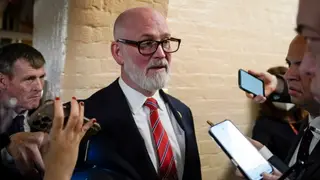
Republican Rep. Derrick Van Orden received a cease-and-desist letter from attorneys for his Democratic opponent Rebecca Cooke over multiple AI-generated deepfake videos posted to social media. The videos falsely depicted Cooke making statements such as promising free healthcare to undocumented immigrants and advocating for corruption. Wisconsin law requires disclosure when campaigns use deepfake technology but does not outright ban it, and the letter threatens potential defamation claims.
Wisconsin permits political campaigns to employ artificial intelligence-generated video content, distinguishing it from outright bans found in other jurisdictions. However, state law requires that such material be clearly marked as synthetic. The deepfake videos in question attributed statements to Cooke regarding immigration policy and ethics, claims she contends she never made. Van Orden's campaign has responded by dismissing the legal action as politically motivated, citing what it characterizes as false statements made by Cooke's own advertising efforts.
This dispute illustrates evolving tensions around campaign technology and voter information. The incident may influence how voters assess digital content during elections and could prompt pressure for stricter disclosure requirements or bans on synthetic media in political messaging. Legal outcomes in this case could set precedent for how defamation law applies to AI-generated political content. Broader implications touch on voter confidence in campaign communications and whether current regulatory frameworks adequately protect electoral integrity while balancing free speech considerations.