Three Giant Dairy Co-ops Control Most U.S. Milk Sales, Raising Conflict-of-Interest Concerns
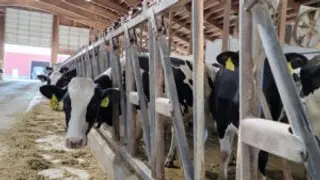
Dairy Farmers of America, Land O'Lakes, and California Dairies collectively control approximately 83 percent of U.S. milk marketing, reflecting decades of consolidation in both farm operations and cooperative organizations. The number of dairy cooperatives has plummeted from over 1,900 in 1952 to just 107 in 2023, as these larger entities have expanded into processing and other dairy business segments. Some farmers are suing their cooperatives, alleging that co-ops' ownership of processing companies creates conflicts of interest that prioritize corporate growth over farmer interests.
The U.S. dairy sector has undergone radical structural change over recent decades. Between 1952 and 2023, cooperative organizations serving farmers decreased by 94 percent, while production shifted dramatically toward large-scale operations. Farms operating with 2,500 or more cattle now generate nearly half of national milk output, a reflection of how smaller producers struggle against mounting expenses for feed, labor, and equipment.
The tension between farmer interests and cooperative governance has intensified as these organizations diversified into processing and other downstream activities. When cooperatives own the facilities that purchase milk from member farmers, questions arise about whether decisions prioritize fair pricing for producers or maximize returns to the cooperative's corporate divisions. Legal challenges from farmers suggest this structural arrangement may undermine the original cooperative model's mutual-benefit purpose.
This consolidation pattern could reshape bargaining power and economic resilience across dairy farming communities. If fewer organizations control milk marketing, individual farmers may have reduced leverage in price negotiations and business decisions. Conversely, consolidation might improve efficiency and competitiveness in global markets. The outcome likely depends on whether cooperative governance structures can remain accountable to farmer-members while managing complex, multi-segment operations—a balance regulators and courts are beginning to scrutinize more closely.