French Student Demonstrations Turn Violent, 18 Arrested in Loire-Atlantique
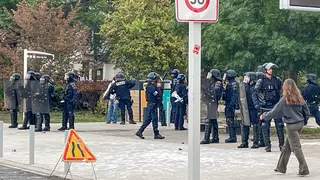
Student protests across Loire-Atlantique on October 1, 2026 escalated into property damage and confrontations with law enforcement, resulting in 18 arrests. The demonstrations, which began as appeals for improved educational funding and resources, turned destructive with nine educational facilities damaged in Nantes and the Lycée Nelson-Mandela suffering significant fire damage that destroyed classrooms and administrative offices. Authorities deployed tear gas in Saint-Nazaire while local officials called for severe judicial consequences for those involved in violent acts.
Student protests in Loire-Atlantique on October 1, 2026 began as organized demands for increased education funding and improved school conditions but rapidly descended into vandalism and confrontations with authorities. The escalation was particularly severe at the Lycée Nelson-Mandela in Nantes, where a fire destroyed multiple classrooms and administrative spaces, requiring emergency response from 62 firefighters across 28 vehicles. A separate demonstration at a Saint-Nazaire secondary school resulted in law enforcement deploying tear gas to disperse blockades formed by hundreds of students.
Local and regional authorities responded with competing assessments of the unrest. While one deputy acknowledged legitimate grievances regarding teaching staff shortages and infrastructure deficiencies, prefectural officials emphasized zero tolerance for property destruction, pledging systematic prosecution of the 18 detained individuals and warning parents against allowing minors to participate in destructive activities.
The incidents may significantly disrupt educational continuity for affected students while imposing financial burdens on regional budgets for facility repairs. The conflicting official responses—acknowledging underlying resource concerns while emphasizing law enforcement responses—could shape future dialogue between student advocates and policymakers. Escalating protest tactics involving property damage may polarize public opinion and potentially limit political support for education funding increases that student groups are demanding.