White House Announces Health Spending Cuts While Congress Advances Healthcare Reform Package
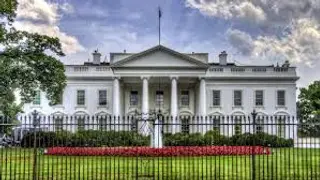
The White House announced rescissions totaling $600 million in health-related federal spending, including cuts to HHS services for non-citizens, research programs, and the Office of Minority Health. The Government Accountability Office challenged the legality of these rescissions, citing restrictions on withholding appropriated funds. Meanwhile, the House Energy & Commerce Committee released a 14-bill health care package aimed at improving data collection, strengthening fraud enforcement, and creating anti-fraud incentives.
The White House proposal to rescind $600 million in health spending targets several distinct areas within the Department of Health and Human Services. Beyond the largest component addressing federal services for non-citizens, the package includes reductions to research initiatives and an office specifically focused on health disparities affecting minority populations. The timing of these rescissions has drawn immediate scrutiny from federal auditors who have identified potential legal obstacles to their implementation.
Meanwhile, legislators on Capitol Hill are pursuing an alternative pathway by developing comprehensive reform measures. The House committee's multi-bill initiative emphasizes operational improvements rather than spending reductions, directing attention toward administrative efficiency, fraud detection systems, and institutional safeguards designed to protect program integrity across major federal health insurance programs.
The contrasting approaches—executive branch spending constraints versus congressional reform proposals—may shape healthcare delivery and research capacity differently. Reduced federal services and research funding could affect vulnerable populations and scientific advancement, while enhanced fraud enforcement might lower program costs long-term. The outcome may depend partly on whether courts uphold the rescissions' legality and whether lawmakers prioritize these competing visions during upcoming budget negotiations, potentially influencing both healthcare access and federal fiscal strategy.