United's Starlink Advantage May Not Last as Competitors Catch Up
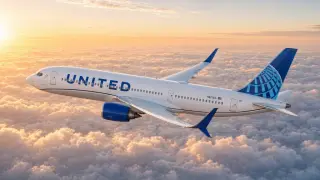
United Airlines is leveraging its early lead with Starlink satellite internet by offering status-match incentives to American and Delta frequent flyers, with over 600 aircraft already equipped and 1,000 targeted by year-end. While the technology represents a genuine improvement over traditional airline Wi-Fi, industry history suggests competing carriers will quickly close the gap once their own rollouts begin in 2027. American has delayed its Starlink launch until next year while Delta opted for Amazon's Leo satellite network, which has yet to be tested commercially.
United Airlines is capitalizing on its early deployment of Starlink connectivity by actively recruiting high-value customers from competitors through status-matching programs. The airline has equipped over 600 aircraft with the satellite internet service and plans to expand to 1,000 by year-end, significantly ahead of rivals' timelines. Meanwhile, American Airlines has postponed its Starlink integration until 2027, and Delta selected Amazon's Leo satellite network as an alternative, though that system remains unproven in commercial aviation operations.
The appeal of Starlink for frequent flyers lies in addressing longstanding frustrations with traditional airline Wi-Fi systems—unreliable connections, slow speeds, and authentication issues that plague business travelers who depend on consistent internet access during flights. This functional improvement distinguishes United's offering from mere marketing positioning.
The competitive satellite internet race could reshape airline loyalty dynamics if connectivity becomes a decisive factor for business travelers choosing carriers. However, history suggests that technological advantages in the airline industry typically dissipate quickly once competitors deploy similar solutions. Passengers may experience temporary service disparities, while airlines' investments in satellite infrastructure could shift operational costs and pricing structures across the industry over the next 2-3 years.