Tourism Events Face Guest Resentment Over Preferential Treatment for Social Media Influencers
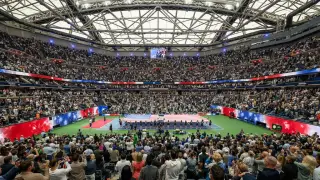
Major tourism attractions and events, including the U.S. Open tennis tournament and cruise lines, are increasingly granting content creators special access and credentials to reach younger audiences, but these partnerships are sparking complaints from paying customers. The U.S. Open nearly doubled influencer credentials to nearly 100 this year, leading to viral videos of frustrated attendees capturing ring lights and disruptive filming during matches and in hospitality areas. The tension reflects a broader conflict between the travel industry's desire to leverage social media marketing and traditional guests' expectations of uninterrupted experiences.
The U.S. Open's decision to nearly double influencer credentials this year reflects a strategic industry pivot toward digital marketing. The tennis tournament attracts over one million spectators annually, with a substantial portion traveling from outside the region, making it a prime venue for content creators seeking engaged audiences. However, documented incidents—including creators positioning ring lights during active play and disrupting hospitality areas—have created friction between the event's commercial objectives and attendee experience quality.
The trend could reshape expectations around premium entertainment experiences. Paying customers who invest in tickets and hospitality packages may recalibrate their attendance decisions if disruptions become routine, potentially affecting revenue. Conversely, venues may find younger demographics discover events through influencer content, creating new market segments. The industry faces a balancing challenge: leveraging social media's marketing reach without eroding the paid guest experience that fundamentally sustains these events.