Two giant pandas arrive in US as Beijing resumes traditional diplomatic gift-giving
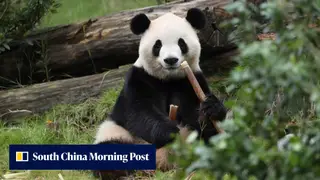
Giant pandas Ping Ping and Fu Shuang have been delivered to Zoo Atlanta following President Xi Jinping's recent visit to Washington, marking the resumption of China's historic panda diplomacy practice. The animals were presented as envoys of friendship between the Chinese and American peoples, reviving a tradition that gained prominence in the 1970s when Beijing sent pandas to countries following major diplomatic achievements. This gesture symbolizes Beijing's use of the endangered species as diplomatic tools to strengthen bilateral relationships and mark significant political developments.
China's practice of gifting pandas to foreign nations dates back decades, with the animals serving as tangible symbols of peaceful relations and mutual respect. The tradition became particularly prominent during the 1970s as Beijing sought to establish or strengthen diplomatic ties with nations worldwide, including the United States and Japan. Zoo Atlanta's new residents mark a significant milestone, as the facility had maintained continuous partnership with Chinese authorities for a quarter-century before that arrangement concluded in 2024.
The arrival of Ping Ping and Fu Shuang follows high-level diplomatic engagement between Washington and Beijing, demonstrating how China strategically deploys its stewardship of the endangered species to reinforce political agreements and foster goodwill. By framing the pandas as ambassadors rather than mere animals, China leverages international fascination with the species to maintain cultural and diplomatic presence in key partner nations.
The panda transfer could strengthen US-China cultural ties and public interest in bilateral cooperation, potentially influencing broader diplomatic relations. Zoo visitors and wildlife enthusiasts may develop more favorable perceptions of China through engagement with the animals, while the arrangement signals to both nations' governments and citizens a commitment to sustained dialogue. However, the gesture's political implications may prove more significant than its cultural impact, as observers interpret panda diplomacy as reflective of the current state of great power relations.