Medieval coin hoard confirms Anglo-Saxon quarter thrived as privileged community in Rome
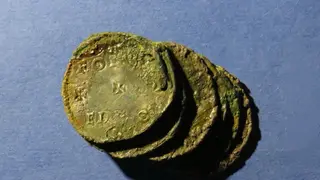
Archaeological excavations near the Vatican have uncovered the first material evidence of the Schola Saxonum, a documented Anglo-Saxon residential quarter in medieval Rome, including 30 coins from the 10th century and artifacts such as leather and metalwork. The discovery of Anglo-Saxon coins alongside Italian and Roman currency suggests English residents enjoyed unique currency privileges unavailable to other foreign populations in the papal city. The findings support historical records describing a vibrant, self-contained English community comparable to modern ethnic districts in contemporary cities.
The excavation at Palazzo della Rovere, ongoing since 2020, has revealed physical confirmation of a community that historians knew existed only through written sources. The coins span roughly 50 years of the 10th century, originating from multiple English regions including East Anglia, Kent, and the West Midlands, alongside locally minted Italian currency. The presence of craft materials—leather, bone, and metalwork—indicates residents maintained productive workshops and daily economic activity within their district.
The privilege of using foreign currency distinguishes the English quarter from other immigrant populations in medieval Rome. Contemporary papal policy typically restricted foreign coins, making this exception remarkable. A 9th-century account suggests Pope Marinus I granted these rights to English pilgrims as recognition of their religious devotion, establishing a precedent that apparently persisted into the following century.
This discovery may enhance scholarly understanding of medieval migration, trade networks, and religious pilgrimage in Europe. The findings could prompt reexamination of other historical accounts describing foreign communities in major medieval cities, potentially revealing similar archaeological evidence. For heritage institutions and universities, the study demonstrates how excavation of previously overlooked urban sites yields information about daily life often absent from documentary records alone.