MIND diet linked to slower brain tissue loss and potentially delayed cognitive aging
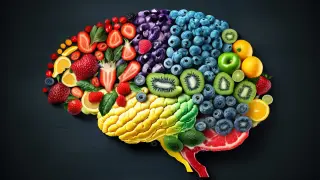
A long-term study of over 1,600 adults found that strict adherence to the MIND diet, which combines Mediterranean and hypertension-reducing dietary approaches, was associated with slower brain shrinkage and reduced grey matter loss. The strongest effects suggested a potential delay in brain aging equivalent to approximately 2.5 years, with protective foods including berries and poultry while harmful associations were found with sweets and fried fast foods. The findings suggest diet-related structural brain changes may be relevant to neurodegenerative diseases like Alzheimer's and Parkinson's.
The MIND diet represents a hybrid nutritional framework that merges two established dietary approaches: the Mediterranean pattern, known for cardiovascular benefits, and the DASH diet, specifically designed to manage hypertension. Researchers monitored over 1,600 participants from the Framingham Heart Study Offspring cohort across two decades, using brain imaging every few years to track structural changes. The study examined multiple dietary periods and controlled for demographic factors, finding that individuals consuming higher amounts of berries and poultry showed more preserved brain tissue compared to those consuming more sweets and fried foods.
The research identified associations between diet adherence and the preservation of grey matter, the brain tissue responsible for critical cognitive functions. Ventricular enlargement—the expansion of fluid-filled brain cavities that typically occurs with aging—also progressed more slowly in people following the diet more rigorously.
These findings could influence public health messaging around dietary prevention of cognitive decline, potentially affecting millions considering dietary modifications in midlife and older age. Healthcare providers might incorporate MIND diet recommendations into discussions about aging and neurological health. The results may particularly resonate with populations at risk for neurodegenerative conditions, though researchers emphasize these are associations requiring further investigation before clinical application. Economic impacts could include food industry adaptations and expanded nutrition counseling services.