First Expandable Heart Valve for Children Approved to Reduce Repeat Surgeries
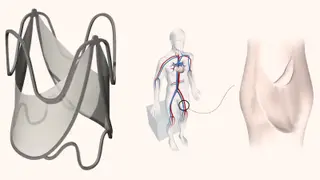
The FDA has approved the Autus Size-Adjustable Valve, a surgical pulmonary valve designed specifically for children with congenital heart disease that can expand as they grow. The valve, which uses durable polymeric leaflets instead of animal tissue, can be enlarged through balloon catheterization from 13 mm for toddlers to 22 mm for adults, potentially eliminating the need for multiple open-heart surgeries. Clinical trial data showed the valve maintained acceptable performance with no device-related complications through 30 days and no reinterventions through 6 months of follow-up.
Children born with heart valve defects have historically faced a difficult clinical dilemma: surgeons must choose between operating early to prevent complications or delaying intervention to minimize the number of surgeries needed as the child develops. The Autus valve addresses this problem through a novel design featuring synthetic leaflet material that withstands repeated enlargement procedures. Rather than replacing the entire valve structure during growth, physicians can gradually increase its diameter using a minimally invasive catheter-based approach, moving from pediatric to adult dimensions over years or decades.
The approval rests on safety data from a moderate-sized trial demonstrating that recipients experienced no device failures or complications within six months, with sustained valve function at one-year follow-up. Researchers will continue monitoring patients for up to a decade to establish long-term durability and performance trends.
The approval could meaningfully alter treatment pathways for thousands of pediatric patients annually with congenital pulmonary valve disease. Reducing repeat open-heart surgeries may lower cumulative surgical risk, hospital stays, and family disruption while improving long-term quality of life. However, the clinical and economic benefits depend on sustained real-world performance beyond the trial period, broader adoption rates among heart centers, and whether the synthetic leaflet material proves durable over decades in growing children—questions the extended follow-up studies aim to answer.