Connected Vehicles Transmit Driver Information to Third Parties Without Explicit Consent
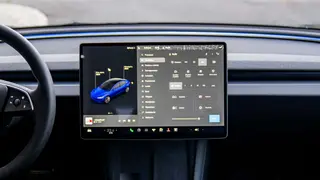
Recent research has revealed that numerous connected vehicles and their associated mobile applications are collecting and sharing driver and vehicle information with external companies without transparent user authorization. The study examined 21 connected vehicles and 30 companion apps and found widespread data transmission practices. This raises privacy concerns about the extent of data collection occurring in modern connected automotive ecosystems.
Connected vehicles have become increasingly sophisticated, generating substantial amounts of operational and behavioral data. A recent examination of the automotive technology landscape scrutinized how 21 vehicle models and their 30 corresponding applications manage user information. The investigation uncovered a pattern whereby personal and vehicular details are being forwarded to various third parties, often without clear notification or affirmative authorization from vehicle owners.
This data-sharing practice highlights a broader tension within the automotive industry between technological innovation and consumer privacy expectations. As vehicles integrate more networked features, the pathways through which information flows—and the entities receiving that information—have become increasingly complex and opaque to end users.
These findings could affect millions of vehicle owners who may be unaware of how extensively their driving patterns, location data, and vehicle performance information are being utilized. Consumers, automotive manufacturers, and regulators may face pressure to establish clearer data governance standards. The implications could influence purchasing decisions, corporate liability assessments, and ongoing debates about privacy frameworks in connected vehicle ecosystems.