Alex Gibney's Four-Hour Elon Musk Documentary Delivers Unsettling Portrait
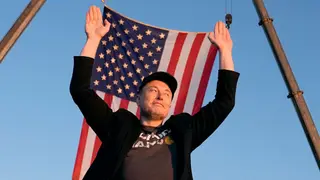
Director Alex Gibney's exhaustive four-hour documentary examines Elon Musk's rise from tech entrepreneur to influential political figure, featuring interviews with former collaborators, journalists, and ex-partners. The film comprehensively covers Musk's involvement with Tesla, SpaceX, and Twitter while exploring his personal relationships and controversial political activities. Gibney's work balances initial credit for Musk's early business successes before pivoting to examine the consequences of his wealth and influence.
Alex Gibney's documentary takes a chronological approach to its subject, initially acknowledging Musk's legitimate entrepreneurial accomplishments during the dot-com boom and SpaceX's early achievements with reusable rocket technology. The film then systematically examines unfulfilled promises across his business ventures, including Tesla's autonomous vehicle claims that have resulted in fatalities and SpaceX's Mars colonization aspirations that experts consider unrealistic timeframes.
The personal dimension occupies substantial runtime, incorporating interviews with former spouses and partners who provide insight into Musk's private life and parenting decisions. A notable inflection point identified by Gibney is the COVID-19 pandemic, after which Musk's public persona shifted toward right-wing political engagement, documented through campaign footage and media appearances.
This documentary may influence public perception of a highly polarizing figure whose business decisions and political activities affect multiple constituencies—from Tesla and SpaceX employees to Tesla vehicle owners to social media users. The film could shape discourse around wealth concentration and its relationship to political influence, while also potentially affecting investment decisions and regulatory discussions surrounding autonomous vehicles and space exploration. Audiences with existing views on Musk may interpret the comprehensive critique differently, though the work's exhaustive scope could serve as a reference point for broader cultural conversations about technological entrepreneurship and accountability.