National Museum of American History Celebrates Hispanic Heritage with Lowriding and Salsa Exhibitions
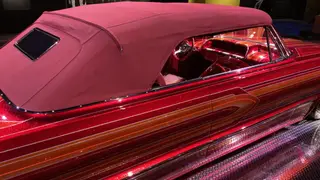
During National Hispanic Heritage Month, the National Museum of American History showcases two Latino-focused exhibitions featuring lowriding culture and the musical history of salsa. The "Corazón y vida" exhibition explores the lowriding movement that began in the 1940s among Mexican Americans and includes restored classic cars like a 1963 Chevy Impala Super Sport. These exhibitions highlight Latino contributions to American culture while Congress advances plans for a permanent National Museum of the American Latino.
The National Museum of American History is currently hosting two complementary exhibitions during National Hispanic Heritage Month that spotlight significant Latino cultural movements. The lowriding exhibition traces the origins of this automotive art form to the 1940s in the Southwest, where Mexican American veterans began customizing used vehicles with lowered suspensions and elaborate decorative elements. Two fully restored vehicles serve as centerpieces—a 1963 Chevy Impala named "El Rey" that has been personalized across three generations of the De Alba family, and a 1964 model called "Gypsy Rose" that gained television visibility through a 1970s sitcom appearance.
The exhibitions arrive as Congress progresses on establishing a dedicated National Museum of the American Latino, which will occupy the historic Arts and Industries Building near the Smithsonian Castle. These temporary displays represent interim efforts to document and celebrate Latino contributions to American culture while the institution's permanent home is being developed. The presentations combine traditional museum elements—photographs, video, and interpretive panels—with tactile components and restored artifacts that allow visitors to physically engage with the cultural material on display.
These exhibitions could enhance public understanding of underrepresented cultural movements that have significantly influenced American aesthetics and identity. The displays may appeal to both longtime enthusiasts of lowriding culture seeking institutional recognition and broader museum audiences encountering this history for the first time. Such programming could help establish precedent for how a dedicated Latino museum might approach storytelling, potentially shaping institutional priorities and visitor expectations as the new museum develops its permanent collection and exhibitions.