Preschool Education Evolves: Experts Debate Focus on Curriculum vs. Social-Emotional Development
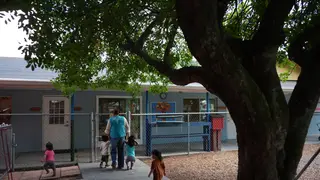
Three leading early childhood experts discuss how preschool has transformed from primarily a social and play-based setting to one centered on formal curriculum, while debate continues over what approach best serves young learners. The experts emphasize that children need opportunities to develop self-regulation, persistence, and social skills alongside academic preparation. The discussion reflects ongoing questions about balancing academic rigor with age-appropriate development in preschool programs.
The shift toward formal curricula in preschool represents a significant departure from historically play-centered approaches. Recent research, including studies of state-funded early education programs serving disadvantaged populations, has examined whether structured academic instruction produces better long-term outcomes. However, experts note that highly regimented curricula may inadvertently create implementation challenges for teachers, who sometimes face administrative pressure to adhere strictly to predetermined lesson sequences regardless of individual student needs or developmental readiness.
Social-emotional competencies—including self-regulation, persistence, relationship-building, and empathy—have emerged as critical components alongside academic skill development. Practitioners increasingly recognize that foundational abilities like sustained attention and collaborative learning may be prerequisites for academic success in elementary school. The current landscape lacks standardized consensus on how to effectively balance these competing priorities within preschool programming.
This debate could influence educational policy decisions affecting millions of early learners and their families. Policymakers determining preschool funding priorities and curriculum standards may face pressure from competing research findings. The outcomes could affect teacher training programs, administrative practices in schools, and access to quality early education, particularly for economically disadvantaged children. How states and districts resolve this tension may shape children's school readiness trajectories and teachers' professional autonomy in the classroom.