Fan-Created Wind Waker Decompilation Enables Native PC And Mobile Ports With Modern Features
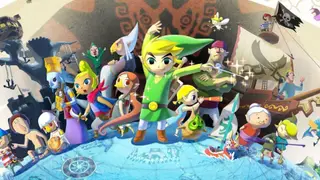
A complete decompilation of The Legend of Zelda: Wind Waker has been released, converting the GameCube game's PowerPC code into native x86-64 and ARM64 binaries for Windows, macOS, iPhone, and iPad without emulation. The project includes modern enhancements such as widescreen and ultrawide support, high-resolution rendering, save states, improved camera controls, wall climbing mechanics, and Smooth Motion interpolation enabling 60 or 120FPS display while maintaining the original 30FPS gameplay logic. The decompilation was developed with substantial AI assistance for code, testing, documentation, and debugging.
The Wind Waker Recomp project converts the original GameCube game code into formats that run natively on modern systems including PCs and mobile devices. This approach differs from traditional emulation by translating the underlying architecture rather than simulating it, potentially offering better performance and enabling features like ultrawide display support and frame interpolation that push gameplay to 60 or 120 FPS while preserving the original 30 FPS game logic.
The decompilation joins a growing pattern of fan-driven Nintendo game preservation efforts. Previous projects have successfully brought other classic titles like Super Mario 64 and Ocarina of Time to modern platforms and even Nintendo's own contemporary hardware through homebrew versions, establishing a precedent for community-led technical restoration of legacy titles.
This development may influence how gaming communities approach preservation and modernization of older titles, potentially affecting Nintendo's stance on fan projects and raising questions about the role of AI in technical restoration work. The controversy surrounding AI-assisted decomposition could shape future community standards for preservation efforts, while simultaneously making classic games more accessible to players on contemporary devices. However, legal and commercial implications remain uncertain as Nintendo typically protects its intellectual property.