Star Wars Comes to Dinner at Lucas Museum's Rooftop Restaurant
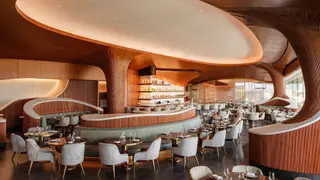
The newly opened Skywalker Grill sits atop the Lucas Museum of Narrative Art in Los Angeles, offering panoramic views of downtown and a menu celebrating classic American cuisine with nods to George Lucas' Northern California ranch. Designed by Rockwell Group, the space features a striking interior combining midcentury modernism with futuristic elements, highlighted by cherry wood details and luxury materials like silver gilt. The restaurant merges the filmmaker's legacy of visual storytelling with contemporary dining, creating a unique cultural destination that complements the museum's galleries.
The Lucas Museum of Narrative Art represents a significant cultural addition to Los Angeles, officially opening in early October 2026 as a repository for George Lucas's extensive collection of art and entertainment artifacts. The museum's architect, Ma Yansong, designed a striking building that visually complements its rooftop dining venue. Skywalker Grill operates under the culinary direction of Diego Cardoso, whose experience managing multiple hospitality collections brings refined execution to a deliberately casual menu emphasizing California ingredients and nostalgic American comfort foods.
The restaurant's design philosophy deliberately echoes Lucas's personal aesthetic preferences, particularly his documented affinity for midcentury modernism evident at his Northern California headquarters. Rockwell Group's interior strategy employs locally fabricated cherry wood elements—each panel unique—alongside luxury finishes like silver gilt to create spaces that balance warmth with contemporary sophistication. This material-forward approach aims to visually narrate Lucas's influence on design culture while providing an elevated yet approachable dining atmosphere.
The opening of Skywalker Grill may influence how cultural institutions integrate hospitality experiences with their missions, potentially establishing a model for museums seeking to create extended visitor destinations rather than isolated galleries. The venue could attract both film enthusiasts and design-conscious travelers to Los Angeles, diversifying the museum's audience beyond traditional art patrons. However, high price points inherent in rooftop fine dining may limit accessibility, raising questions about whether entertainment-industry-backed cultural spaces serve broad public interests or primarily affluent demographics.