Fall 2026 Edition Spotlights Urban Transformation and Architectural Innovation Across Three Continents
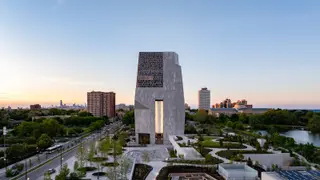
Azure Magazine's latest issue explores how cities are being reimagined through architecture and urban design, featuring new cultural landmarks in Belgium, Toronto, and Los Angeles alongside Paris's decade-long shift toward prioritizing green spaces and pedestrian infrastructure. The publication highlights residential design work by Winnipeg-based firm 5468796 and celebrates how thoughtful architecture contributes to community building and climate resilience. Beyond individual buildings, the issue frames construction as a verb—encompassing urban decarbonization, cultural investment, and inclusive neighborhood design.
Azure Magazine's Fall 2026 issue reframes urban development as an active process rather than a collection of finished structures. The publication examines how three distinct cities—Brussels, Toronto, and Los Angeles—are reshaping their civic identities through new cultural institutions and public spaces. Simultaneously, the issue documents Paris's multiyear urban planning initiative that has systematically reconfigured streets and squares to accommodate pedestrians and cyclists while integrating vegetation into previously hardscaped areas.
The magazine also highlights residential architecture's social dimensions through profiles of specific firms and projects. Work featured includes developments by the Winnipeg-based practice 5468796, known for integrating community benefit into housing design, and collaborative work at the University of Toronto Scarborough that combines architectural design with landscape intervention to foster social gathering.
This publication may influence how architects, urban planners, and developers approach community-focused design. By emphasizing the relationship between built environments and quality of life—including climate adaptation and social cohesion—the issue could shape professional priorities in the design industry. Readers engaged in real estate, municipal planning, and civic infrastructure may gain perspectives on balancing aesthetic innovation with functional community needs, potentially affecting project priorities in cities worldwide.