SpaceX rideshare mission deploys 130 satellites including Google's orbital AI pathfinder
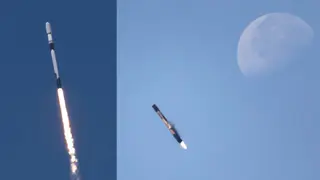
SpaceX successfully launched the Falcon 9 rocket on October 1, 2026, carrying 130 small satellites to low Earth orbit as part of its Transporter-18 rideshare mission. Among the payloads was an early test version of Google's Project Suncatcher, an artificial intelligence constellation designed to operate in space. The mission approached the record for most payloads on a single launch, bringing SpaceX's total deployed satellites under its rideshare program to over 1,800.
SpaceX's rideshare program has become a cornerstone of small satellite deployment, with this mission crossing the 1,800-payload threshold since the program's inception. The Transporter missions are specifically designed to maximize launch efficiency by bundling dozens of independent payloads onto a single rocket, dramatically reducing launch costs for smaller operators who cannot afford dedicated launches.
Google's Project Suncatcher represents a significant shift in how major tech companies are exploring space-based computing infrastructure. By testing specialized AI processing chips in the orbital environment, Google aims to gather crucial engineering data on radiation resistance and thermal management—challenges that differ fundamentally from ground-based data centers. Similarly, Cowboy Space's power-beaming demonstration suggests companies are investigating how to sustain orbital operations through novel energy transmission methods.
This mission may signal growing commercial investment in space-based computing systems, potentially reshaping how data-intensive operations like AI training could be distributed across orbital platforms. Success with these pathfinders could influence infrastructure decisions for tech companies seeking alternatives to terrestrial data centers. However, regulatory frameworks for space debris, orbital traffic management, and power transmission from space remain underdeveloped, and widespread deployment could create new challenges for sustainable space operations that will affect both industry and broader environmental considerations.