Polish Government Continues Crackdown on Humanitarian Workers Assisting Border Migrants
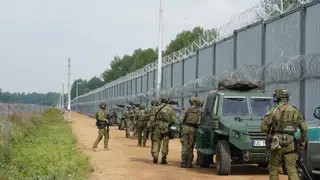
Human rights activists providing assistance to migrants and asylum seekers at the Poland-Belarus border face ongoing prosecution, interrogation, and searches by Polish authorities despite declining migrant numbers and reduced international attention. Since 2021, Belarus has deliberately encouraged mass migration toward Poland as a political strategy, resulting in over 13,000 documented pushbacks and at least 107 deaths, with Polish courts sometimes ruling these removals unlawful. Poland ranks among European Union countries most aggressive in prosecuting people who aid migrants, with at least 20 individuals facing legal proceedings in 2025, second only to Greece.
Poland has implemented increasingly restrictive border measures since 2021, including physical barriers, surveillance systems, and military deployment along its boundary with Belarus. The government suspended asylum processing at the border in March 2025, with parliamentary extensions continuing through at least September 2026. Crossings have declined substantially as a result, dropping from over 15,500 attempts in the first half of 2025 to approximately 235 in the same period of 2026.
Polish courts have occasionally ruled against government actions, including ordering compensation for unlawful detentions and invalidating specific pushback cases. However, these legal victories remain exceptions within a broader pattern of enforcement that Human Rights First documented through regular border monitoring and attendance at activist trials since 2021.
This crackdown may create a chilling effect on humanitarian organizations operating throughout Poland and EU border regions, potentially reducing medical, legal, and basic assistance available to vulnerable populations. The prosecutions could discourage individuals from providing aid in future migration crises, affecting both current and displaced persons. Meanwhile, declining migrant numbers suggest enforcement measures have achieved their stated deterrent objectives, though the continued targeting of aid workers raises questions about the sustainability and human costs of current border policies across European nations.