Presidential approval dips to second-term low as public sentiment shifts
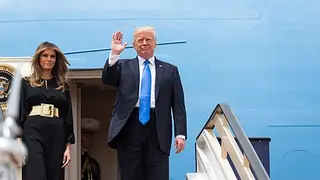
President Trump's approval rating fell to 38% in late September 2026, marking his lowest average for his second term, while disapproval reached 60%. Congressional approval also declined to 24%, with 64% disapproving, and only 32% of voters viewed the country as moving in the right direction. These metrics represent a significant decline from earlier in his second term when approval reached 54% and right-direction sentiment peaked at 46%.
President Trump's approval rating has experienced a marked decline since the beginning of his second term. Early 2025 saw his standing at its strongest, with 54% approval and nearly half the public believing the nation was heading in the right direction. By late September 2026, these numbers had shifted substantially downward, reflecting a deterioration in public confidence across multiple measures of governmental performance.
Congressional approval ratings have similarly weakened, though lawmakers' standing has historically remained lower than the presidency. The current 24% congressional approval represents a modest recovery from the 119th Congress's lowest point of 12% earlier in the year, yet still falls well below the 37% peak recorded in mid-2025. The generic congressional vote shows Democrats gaining ground relative to Republicans, with a 7-point advantage emerging by September's end.
These declining approval metrics could have significant implications for the 2026 election cycle and legislative effectiveness. Lower presidential approval may reduce a party's ability to mobilize voters and pass agenda items, while congressional disapproval might create openings for opposition parties to gain seats. Public perception of national direction particularly affects voter enthusiasm; when majorities believe the country is off-track, it may disadvantage the governing party and influence both candidate recruitment and campaign intensity heading into electoral contests.