Hobbs faces reelection challenge in Arizona despite Trump's 2024 state victory
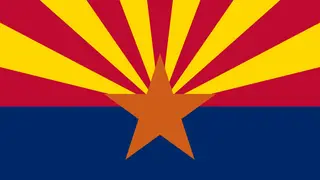
Democratic Governor Katie Hobbs is seeking reelection in Arizona against Republican Andy Biggs and minor-party candidates in a state Trump carried by 6 points in 2024. Hobbs narrowly won her 2022 race by less than a percentage point against a Republican opponent, positioning the contest as competitive despite Democratic advantages in current forecasts. The election also features Arizona's first-ever lieutenant governor race following voters' 2022 approval to create the position.
Governor Hobbs enters the race with a significant fundraising advantage, having collected nearly $10 million to challenger Biggs's $2.8 million as of mid-year. The competitive nature of this contest stems from Arizona's recent political shifts—while Hobbs won her initial election by the narrowest margin, Trump's six-point victory in 2024 suggests the state has moved rightward, creating headwinds for her reelection bid despite forecasters currently favoring Democrats.
This election marks a structural change for Arizona's executive branch, as voters approved the creation of a lieutenant governor position in 2022. Both major-party nominees have selected former Republican officials as running mates, with Hobbs pairing with the ex-mayor of Mesa and Biggs with a former state senator, suggesting strategic efforts to appeal across party lines.
The outcome of Arizona's gubernatorial race could influence how Democrats perform in other Trump-won states and shape the balance of power in state legislatures and executive offices. A Hobbs victory might demonstrate Democratic resilience in shifting political terrain, while a Republican win could signal momentum heading into subsequent election cycles. The race may also test whether incumbent performance and cross-party coalition-building can overcome headwinds from unfavorable presidential-year dynamics.