Fleet Operators Demand Steady Course on Heavy-Truck Emissions Rules Despite Industry Pressure
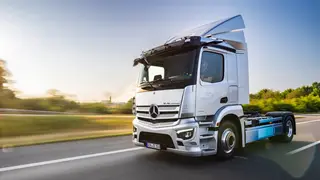
Major European logistics and retail companies including IKEA, EDF, Geopost, and DFDS have called on the EU Commission to maintain existing carbon emissions standards for commercial vehicles, citing their substantial investments in fleet electrification and the need for regulatory certainty. These operators argue that consistent standards will drive demand for electric trucks and spur charging infrastructure development across Europe. Current EU targets require 43 percent emission reductions by 2030, 64 percent by 2035, and 90 percent by 2040, levels achievable only with significant growth in electric medium and heavy-duty vehicle adoption.
The signatories represent major European businesses spanning energy, retail, logistics, and delivery sectors. These companies have already committed substantial capital to electrifying their commercial vehicle fleets and argue that regulatory stability is essential for justifying further investment. Their position reflects confidence that electric heavy-duty trucks will prove economically advantageous through fuel savings, despite higher upfront purchase prices compared to diesel alternatives.
The EU's current emissions reduction targets—43 percent by 2030, 64 percent by 2035, and 90 percent by 2040—create a clear pathway requiring widespread adoption of electric medium and heavy-duty vehicles. Fleet operators contend that maintaining these standards will generate sufficient demand for zero-emission trucks to encourage manufacturing scale-up and accelerate charging infrastructure development across the continent, benefiting the broader transition.
This appeal could influence EU policy decisions affecting manufacturers, logistics operators, and European competitiveness in clean technology markets. Maintaining stricter emissions standards may accelerate infrastructure investment and fleet electrification, potentially raising costs for smaller operators unable to absorb conversion expenses. Conversely, weakening standards could delay Europe's zero-emission transport transition and potentially disadvantage businesses that have already invested in compliance, while affecting air quality and climate outcomes across member states.