Spanish Interior Designer Creates Elegant Oviedo Residence by Merging Two Apartments
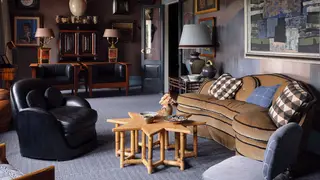
Renowned interior designer Lorenzo Castillo merged two separate apartments in Oviedo, Spain, into one expansive residence featuring carefully curated furnishings from renowned 20th-century designers and artists. The home showcases a theatrical layout with distinctive rooms that flow seamlessly, decorated with rare pieces including work by Gabriella Crespi and Anthony Redmile, along with Hollywood Regency elements that blend multiple design styles. Castillo shares the residence with his partner Alfonso and their dog Tana in this celebration of high-end interior design and personal collecting.
Lorenzo Castillo, a Madrid-born designer now in his late career, has shifted focus toward education and mentorship. His upcoming interior design book will codify design principles, while his work as a television personality on the Spanish competition program DecoMasters has expanded his influence beyond residential projects. This Oviedo residence represents a culmination of decades spent acquiring rare furnishings and artwork from the 20th century.
The renovation presented significant architectural challenges, requiring the designer to reconfigure spatial hierarchy by unconventional means. Rather than placing the bedroom suite in the traditionally prominent living room position overlooking the park, Castillo relocated the living room to the residence's rear. This decision allowed him to restore a glass gallery—a characteristic Asturian architectural feature—while maintaining views of Campo de San Francisco from the master bedroom.
This project may influence affluent homeowners and design professionals by demonstrating how curated collections of museum-quality furnishings can function within residential spaces. Castillo's approach could shape expectations around personalized, high-end interior design among a wealthy audience. The emphasis on color psychology and spatial flow might also elevate design conversation beyond aesthetic trends, encouraging clients to consider how environment affects psychological well-being. Such visibility may increase demand for bespoke design services and rare vintage furnishings among design-conscious consumers.