Young adults showing surprisingly early signs of arterial disease
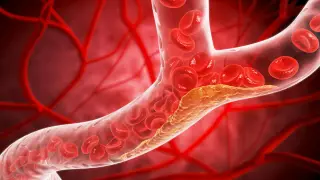
A major international study of 16,000 ostensibly healthy adults detected atherosclerotic plaque buildup in over half the participants, including approximately 1 in 13 people between ages 18 and 29. The research reveals that artery clogging begins much earlier in life than previously recognized and often occurs without any noticeable symptoms. Direct imaging of arteries could identify cardiovascular disease decades before patients experience clinical symptoms.
The REACT study represents a significant shift in how researchers approach cardiovascular disease prevention. Rather than relying on traditional risk assessment models that evaluate factors like blood pressure, cholesterol levels, and smoking history, the research advocates for direct imaging of arteries to detect disease at its earliest stages. This approach could enable interventions before symptoms emerge, potentially preventing heart attacks and strokes in millions of people worldwide.
The findings highlight a critical gap between apparent health and actual physiological status. Among the 16,000 study participants who had no prior cardiovascular diagnosis or symptoms, a majority showed evidence of arterial plaque formation. The prevalence among young adults—roughly 1 in 13 people aged 18-29—suggests that atherosclerosis develops across diverse age groups rather than primarily affecting older populations, challenging long-held assumptions about disease onset.
These findings could substantially reshape cardiovascular screening protocols if imaging becomes standard practice. Young adults and their healthcare providers may face difficult decisions about whether preventive treatment is warranted based on asymptomatic plaque detection, potentially affecting millions globally. The economic implications of widespread arterial imaging are substantial, and access disparities could emerge if the technology remains expensive or unavailable in certain regions. The shift toward early detection may also prompt pharmaceutical and lifestyle interventions, with benefits and risks that would require careful clinical guidance.