SignatureIP Releases Interconnect and Interface IP Library for Modular AI and Data Center Chip Architectures
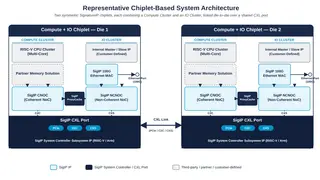
SignatureIP announced the availability of a comprehensive IP portfolio designed for chiplet-based systems used in artificial intelligence, high-performance computing, and data center environments. The library includes cloud-based design tools and silicon-proven interface technologies such as PCIe, CXL, and Ethernet to help architects efficiently design disaggregated systems that scale compute and memory independently. The announcement was made at AI Infra Summit 2026 in Santa Clara and includes partnerships with ecosystem providers to deliver complete solutions to customers.
SignatureIP's announcement addresses a fundamental shift in how advanced processors are designed. Rather than cramming all functionality onto a single piece of silicon, chiplet architectures break systems into specialized modules that connect together. This modular approach allows designers to scale different components—processing power, memory capacity, and data connections—at different rates, which is particularly valuable as artificial intelligence systems demand increasingly diverse hardware requirements.
The company's offering combines three layers of technology: design tools for creating the communication networks between chiplets, standardized connection protocols like PCIe and CXL that move data between modules, and pre-built subsystem templates for common functions. By providing these components as an integrated package rather than requiring customers to assemble disparate pieces from multiple vendors, SignatureIP aims to reduce both development time and integration risks.
This development could significantly impact semiconductor design timelines and costs for companies building AI and data center infrastructure. Faster chip design cycles may accelerate the pace at which new AI hardware reaches market, potentially affecting competition and innovation in the sector. However, the approach's success depends on industry adoption and whether these standardized solutions adequately address the unique requirements of different applications. Broader implications for chip manufacturing capacity and supply chains remain uncertain.