Muscle Loss Shows Stronger Link to Dementia Risk Than Body Weight Alone
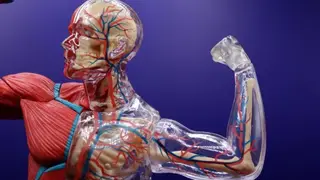
A meta-analysis of over 80 studies by Curtin University researchers identified sarcopenia, characterized by loss of muscle mass and strength, as the strongest predictor of dementia risk with a 42 percent increased risk. Body weight alone showed inconsistent relationships with dementia depending on age, with obesity linked to higher risk before age 65 but lower risk afterward. The findings emphasize that muscle maintenance through physical activity and nutrition may be as important as weight management for cognitive health in aging.
The research team synthesized data from over 80 cohort studies to evaluate how different measures of body composition correlate with dementia risk. Sarcopenia emerged as the most significant predictor, conferring a 42 percent elevated risk—substantially stronger than the associations found for weight-related factors alone. The investigators also examined sarcopenic obesity, where individuals simultaneously experience muscle deterioration and excess adipose tissue, but limited available evidence prevented firm conclusions about this condition's specific dementia risk profile.
The obesity-dementia relationship demonstrated unexpected age-dependent variation, with protective associations appearing in older populations despite harmful associations in middle age. Researchers cautioned against misinterpreting this pattern as endorsement for weight gain in later life, emphasizing instead that body composition dynamics shift with aging in ways that current scientific understanding has not fully explained.
These findings could influence clinical approaches to dementia prevention by redirecting focus from weight management alone toward comprehensive muscle maintenance strategies. Aging adults and their healthcare providers may increasingly consider resistance training and adequate protein intake as cognitive health interventions. Public health messaging may evolve to emphasize physical activity and nutritional adequacy across the lifespan, potentially affecting exercise program design and nutritional guidance in senior care settings and community health initiatives.