Meta's Muse Agent Reaches 5 Million Downloads in Record Time, Leveraging Company's Distribution Advantage
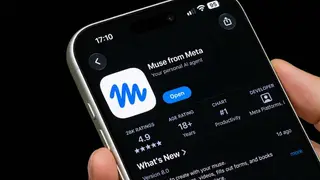
Meta's Muse AI assistant achieved 5 million U.S. downloads in 22 days, significantly faster than competitors ChatGPT (56 days), Grok (103 days), and Claude (492 days), establishing it as one of only 23 apps to reach this milestone so quickly. Unlike traditional chatbots, Muse functions as an autonomous agent capable of browsing websites, sending emails, booking travel, and performing tasks across connected services while running in Meta's cloud infrastructure. Meta's rapid adoption benefited substantially from the company's promotional reach, as it allocated up to half of its daily advertising inventory across its platforms and external networks to promote the application.
Meta's Muse distinguishes itself from traditional AI chatbots by functioning as an autonomous agent capable of handling complex tasks like website browsing, email composition, travel arrangements, and form completion. The application operates within Meta's secure cloud infrastructure, allowing it to continue working on assigned tasks independently after user interaction ceases. This agent-based architecture represents a significant departure from the conversational interface model that defined earlier AI assistants.
The promotional strategy that accelerated Muse's adoption reveals structural advantages inherent to Meta's scale. The company redirected substantial advertising capacity—potentially 50% of daily house ad inventory—toward promoting Muse across its ecosystem and external platforms including Reddit, YouTube, and TikTok. Market analysts project that subscription revenue and transaction fees from user transactions could generate approximately $28.5 billion in incremental revenue by 2030, demonstrating the financial significance Meta attributes to agent-based AI products.
Muse's rapid adoption could accelerate the integration of AI agents into mainstream consumer behavior, potentially reshaping how people manage routine digital tasks and interactions with online services. The success may intensify competition among technology platforms to develop comparable autonomous agents. However, the expanded data access required for agent functionality—including email, calendars, and account credentials—raises considerations around user privacy and data security that may affect how consumers evaluate AI adoption risks and benefits.