State-by-state guide to mail-in voting rules for November 2026
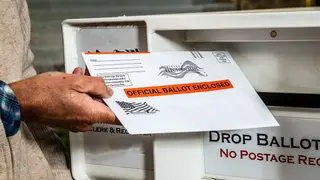
Election officials are distributing mail-in ballots ahead of the November 3 election, with voting procedures varying significantly by state. All states permit some form of absentee or mail-in voting, though 13 states still require voters to provide valid excuses, while 29 states allow no-excuse mail voting and eight states conduct fully mail-based elections. Deadlines for ballot return range from election day in most states to extended windows in others, with several states also offering in-person ballot drop boxes and limited in-person return options.
States have adopted markedly different approaches to mail voting accessibility. Connecticut's recent legislative change brings the total of no-excuse mail voting states to 29, while eight states have moved toward universal mail systems where all registered voters automatically receive ballots. The remaining 13 states maintain stricter requirements, permitting mail voting only for voters who meet specific criteria such as being out of state, having disabilities, or serving in the military.
The mechanics of ballot return and validation create additional complexity across jurisdictions. Most states require mailed ballots to arrive by election day itself, though some allow postmarked ballots to arrive days later. Nearly three-quarters of states now offer ballot curing procedures, giving voters opportunities to fix signature mismatches or missing documentation—a significant procedural development that Connecticut recently adopted for the first time.
These variations in mail voting rules may create substantially different experiences for voters depending on their state of residence. Eligibility requirements, return deadlines, and ballot curing availability could influence participation rates and election outcome reporting timelines. The divergence across states may also affect voter confidence and litigation risk, as citizens and election administrators navigate inconsistent procedures. Voters in states with extended cure periods and flexible deadlines may face lower ballot rejection rates than those in jurisdictions with stricter requirements.