California passes 32 election reforms, including curbs on police activity at voting sites
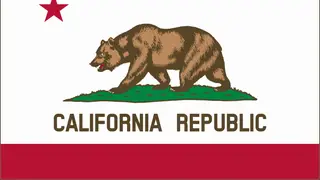
California's governor signed 32 election-related bills during the 2026 legislative session, placing the state second nationally behind Virginia in election law reforms. New measures include legislation restricting law enforcement from making arrests within 200 feet of polling places on election day and prohibiting police interference with election administration or personnel. The reforms also mandate that ballot drop-off locations open at least 30 days before elections and allow election officials to extend polling hours if voting is disrupted.
California's legislative package represents a comprehensive approach to law enforcement conduct during elections. Beyond the 200-foot arrest restriction near polling sites, the state has created enforcement mechanisms allowing election officials and the state attorney general to challenge law enforcement requests for ballot access or election records. These provisions aim to establish clear boundaries between law enforcement operations and electoral administration, with specific protections for workers and volunteers involved in vote counting and ballot handling.
The legislative effort positions California among the nation's leaders in election reform activity. Only Virginia surpassed California's 32 signed bills this year, suggesting a coordinated focus on election-related policy changes across multiple states during the 2026 session.
These reforms may affect how local law enforcement coordinates with election officials on election day, potentially requiring procedural adjustments for departments accustomed to broad operational freedom near voting locations. The changes could impact election workers by providing explicit legal protections during their duties. Implementation may require training for law enforcement and election personnel on the new restrictions. Critics and supporters may debate whether the measures adequately balance election security concerns with protections against police interference, reflecting broader national disagreements about law enforcement roles in electoral processes.