Newsletter explores artificial intelligence policies in K-12 education governance
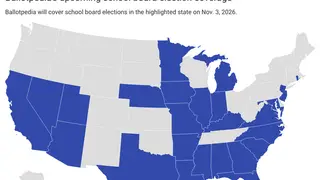
This edition of a school board governance newsletter examines how American school districts are navigating artificial intelligence policies for students, with major districts like New York and Los Angeles banning classroom AI use while other districts permit restricted access. The publication covers school board election deadlines, results, and recalls, along with education funding and affirmative action measures appearing on November ballots. The newsletter aggregates perspectives from education experts and policy analysts on how schools should balance innovative technology integration with student learning outcomes.
The nation's K-12 districts face divergent regulatory approaches to student AI use, ranging from comprehensive prohibitions to permissive frameworks with oversight. Major urban systems including New York and Los Angeles have implemented broad restrictions affecting most grade levels and learning contexts, while smaller districts like Orange County have authorized supervised access with parental and teacher approval. This patchwork of policies reflects ongoing uncertainty about balancing technological literacy with traditional skill development.
The debate centers on fundamental pedagogical questions: whether AI tools prematurely shortcut cognitive development or whether delayed exposure disadvantages students in an AI-driven future economy. Educators and policy experts invoke historical precedents, including the calculator debate, to support competing positions. School boards must weigh arguments about foundational learning, student autonomy, and workforce preparation when determining district-specific guidance.
These differing policies could shape how millions of students develop critical thinking and technical competencies. Students in restrictive districts may graduate with limited AI literacy, while those in permissive environments might advance technical fluency but potentially weaken foundational skills. The decisions made now across thousands of districts may influence broader societal conversations about technology integration in education and could affect college readiness and career preparedness disparities between districts with contrasting approaches.