Massive European Fishing Vessels Dominate Catches While Causing Disproportionate Ocean Damage
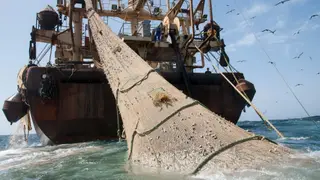
A French nonprofit report reveals that just 638 large industrial trawlers, representing just 1 percent of Europe's 60,000-vessel fishing fleet, account for over half of all fish catches while causing the majority of environmental damage. These mega-trawlers, many longer than 108 feet, use destructive bottom-trawling methods that damage seafloor habitats and create high levels of bycatch, threatening food security and costing taxpayers substantially. As the European Union plans its fisheries budget for 2028-2034, environmental groups are calling for the dismantling of these floating factories that they say exploit marine resources unsustainably.
Europe's industrial fishing sector concentrates enormous harvesting power in a tiny fraction of its fleet. The 638 largest vessels operate with significantly different technology than smaller boats, relying on towed nets that indiscriminately capture marine organisms and damage ocean floor ecosystems. These ships travel vast distances—averaging over 2,600 miles from home ports—to access fishing grounds, with the EU investing over $100 million yearly to secure rights in foreign waters.
The ecological consequences extend beyond immediate catches. Bottom trawling destroys habitats where fish breed and feed, leaving degraded seafloor conditions. Additionally, these vessels increasingly target species for fishmeal and fish oil production rather than direct human consumption, creating economic incentives that may accelerate resource depletion across multiple ocean regions.
This report could influence EU fisheries policy during a critical budget cycle, potentially affecting thousands of fishing industry workers and coastal communities dependent on marine resources. Policymakers may face competing pressures: environmental advocates push for vessel reduction, while industry representatives argue efficiency justifies scale. The outcome could reshape fishing practices across European waters and impact fish availability for smaller fishing operations, consumers, and developing nations whose waters these vessels exploit.