Federal and State Agreement Targets Cleanup of Five Decades of Pulp Mill Toxin Contamination
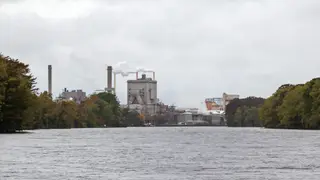
A tentative settlement between federal and state regulators and Domtar Corporation aims to restore the Roanoke River watershed, which has been contaminated for over 50 years by toxic dioxins, furans, and mercury discharged during paper pulp processing. The pollutants have accumulated in river sediment and fish tissue, with scientists detecting contamination in wood duck eggs and various fish species; dioxin levels have declined since 1990 but state health officials continue recommending consumption limits. Though Domtar did not cause the original damage from its predecessor company Weyerhaeuser, it assumed cleanup liability when purchasing the property in 2007.
The contamination stems from bleaching operations at the pulp mill that released hazardous byproducts into the river for five decades. These toxins have bioaccumulated through aquatic food chains, concentrating in predatory fish species and affecting wildlife like wood ducks. Beyond chemical pollution, the mill's water withdrawal process directly killed enormous numbers of young fish—approximately 100,000 per day across three species—disrupting natural reproduction cycles.
The Roanoke River represents one of the Atlantic Coast's most ecologically significant freshwater systems, featuring extensive bottomland forests and populations of fish species that migrate between saltwater and freshwater environments. Conservation efforts began decades ago, with organizations like The Nature Conservancy acquiring protective ownership of nearby lands to preserve this habitat's biodiversity and ecological function.
This settlement could establish precedent for addressing decades-old industrial contamination affecting public health and wildlife. Residents and subsistence fishers may benefit from eventual ecosystem restoration, though consumption advisories may persist for years. The agreement demonstrates how corporate liability can extend beyond original polluters, potentially influencing other companies' decisions regarding property acquisitions with environmental liabilities. Success in restoration could model watershed recovery approaches applicable to similar contaminated sites nationwide.