California Law Imposes Penalties on Autonomous Vehicle Companies for Obstructing Emergency Services
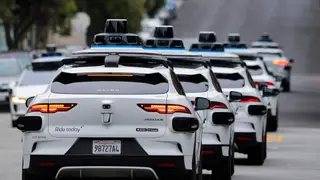
California has enacted Senate Bill 1246, which establishes accountability measures for autonomous vehicle operators like Tesla, Waymo, and Zoox, including fines if robotaxis block emergency responders for more than 30 minutes. The law requires AV companies to provide local support to first responders and mandates that remote drivers be U.S.-based with valid driver's licenses. The legislation responds to multiple incidents in California where robotaxis malfunctioned or interfered with police and firefighters.
California's legislation follows a documented pattern of operational challenges involving self-driving taxi services, particularly instances where vehicles malfunctioned during active emergency situations or created traffic impediments. The incidents prompted federal regulatory bodies to request that autonomous vehicle developers establish protocols for managing such scenarios, underscoring gaps in current safety frameworks.
The law distinguishes between direct vehicle control and remote guidance systems, recognizing that AV companies employ different technological approaches. While some operators maintain personnel who can assume direct driving functions, others utilize remote assistance where human workers provide commands to autonomous systems. Geographic requirements aim to standardize oversight of these remote operations within U.S. jurisdiction.
This legislation could reshape operational practices across the autonomous vehicle industry by establishing concrete financial consequences for service failures affecting emergency response. The 2028 implementation timeline allows companies time to restructure remote operations and develop local support infrastructure, potentially increasing compliance costs. Affected jurisdictions and first responders may experience improved coordination during incidents, though effectiveness depends on regulatory agency guidelines still under development.