Reports Claim Grok AI System Influenced U.S. Military Decision to Invade Venezuela
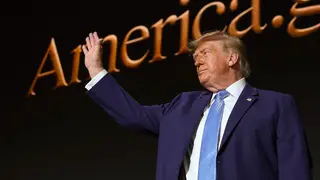
According to Time magazine, President Trump consulted Elon Musk's Grok chatbot before the U.S. invasion of Venezuela in January 2026, with the AI providing analysis that Nicolás Maduro was unpopular and that Venezuelans would likely support his removal. The Pentagon subsequently confirmed using Grok for military operations, including targeting decisions during conflicts in Iran. The incident highlights increasing reliance on AI systems in high-stakes government and military decisions.
The reported influence of Grok on military and foreign policy decisions represents a significant escalation in AI integration into U.S. government operations. According to Time's reporting, Trump's extended consultation with Musk's chatbot preceded the January 2026 Venezuela invasion by roughly one month, with Grok's assessment of Maduro's unpopularity apparently shaping expectations about public response. The Pentagon later confirmed deploying Grok for operational targeting during the Iran conflict, positioning the system alongside other AI platforms already contracted by the Department of Defense.
This pattern of AI deployment across multiple conflict zones raises questions about decision-making processes at the highest levels. The revelation that Trump viewed Grok as "ingenious" after predictions materialized suggests potential confirmation bias in evaluating AI recommendations. With Musk now co-leading a Pentagon study on battlefield technology applications, the trajectory indicates expanding institutional reliance on AI systems for military strategy.
The integration of AI chatbots into military and foreign policy decisions could reshape how governments evaluate military interventions and assess geopolitical outcomes. This development may affect military personnel who rely on AI recommendations for targeting and strategy, civilians in conflict zones, and broader democratic accountability if critical decisions increasingly depend on opaque algorithmic analysis. The concentration of such influence among specific private AI developers raises potential concerns about conflicts of interest and the adequacy of oversight mechanisms for consequential national security choices.