Ben Affleck Details Ethical Framework for AI Usage in Netflix Film Animals
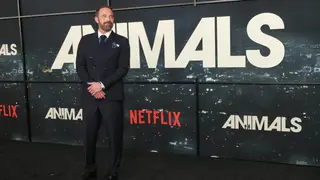
The actor-director elaborated on his principled approach to incorporating artificial intelligence into his latest Netflix film, emphasizing he would never use tools trained on copyrighted work or the intellectual property of fellow creators. Affleck created proprietary datasets to ensure the technology served his artistic vision without extracting from others' work, viewing AI as a tool for enhancement rather than replacement. He stressed the importance of maintaining ethical standards in Hollywood while preventing tech companies from dominating the industry's use of such technology.
Affleck's approach centers on creating custom datasets rather than relying on AI systems trained on existing creative work. At the Netflix premiere, he articulated a clear ethical boundary: refusing to leverage copyrighted material or intellectual property belonging to fellow artists. His methodology treats AI as an enhancement tool within the filmmaking process, comparable to visual effects or other post-production techniques, rather than as a replacement for human creativity or performance.
The director's perspective reflects broader industry concerns about technology companies gaining control over creative tools. He previously sold his company InterPositive to Netflix for approximately $600 million, positioning himself at the intersection of filmmaking and AI development. Affleck argues that placing advanced tools in the hands of established studios with guild relationships and accountability structures produces superior results while protecting creators' rights, contrasting this with how some tech platforms operate without creator consent or compensation frameworks.
Affleck's public stance on responsible AI integration may influence how other filmmakers approach similar technologies, potentially establishing ethical precedents within entertainment production. His emphasis on proprietary datasets and creator protection could shape industry discussions around labor protections and compensation as AI tools become more prevalent in production. However, his position represents one prominent director's philosophy; broader adoption and enforcement of such standards across Hollywood would require wider consensus and potentially new regulatory frameworks to ensure consistent protection of creators' intellectual property and livelihoods.