Urban Environments Driving Behavioral and Physiological Changes in Great Tit Populations
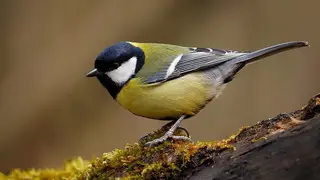
Great tits, a common avian species, are undergoing measurable adaptations in response to urbanization and city living conditions. Metropolitan environments influence various aspects of these birds' biology and conduct in unexpected ways. The research highlights how rapid environmental changes shape animal populations within human-modified landscapes.
Great tits represent a particularly valuable subject for studying how animal species adapt to human-dominated landscapes. As cities expand and reshape natural habitats, these birds face altered food sources, different temperature patterns, and novel social pressures that their ancestors did not encounter. The documented changes in both their behavior and physiology suggest these adaptations are occurring within relatively short timeframes—a phenomenon that underscores the powerful selective pressures imposed by urbanization.
This research contributes to a growing body of evidence demonstrating that human-modified environments do not simply displace wildlife, but actively reshape populations at biological and behavioral levels. Understanding these adaptations in common species may provide insights into how other animal populations navigate rapidly changing conditions globally.
These findings could have implications for urban planning and wildlife management strategies in cities worldwide. If animal populations are measurably shifting in response to metropolitan conditions, this may inform how cities design green spaces and minimize harmful environmental stressors. The research could also influence conservation priorities and help predict which species may thrive or struggle as urbanization continues. Such knowledge may be valuable for maintaining biodiversity in increasingly human-centered landscapes.