Australia Activates Cross-Operator Disaster Roaming as MEDUSA Submarine Cable Expands to Jordan
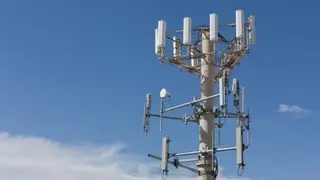
Australia's three major carriers activated Temporary Disaster Roaming on October 1, allowing mobile customers to access other operators' networks during natural disasters when their primary service fails. NaiTel and MEDUSA created a new Jordanian connection point to an 8,700-kilometer submarine cable system, strengthening international connectivity routes across the Mediterranean, Europe and North Africa. The developments reflect growing industry focus on network resilience and geographic diversity in international communications infrastructure.
Australia's three major carriers—Telstra, Optus, and TPG Telecom—have implemented a coordinated system enabling subscribers to maintain basic mobile services when their primary network becomes unavailable during natural disasters. This arrangement extends beyond emergency calls to include voice, messaging, and essential data functions across operators' existing infrastructure, addressing vulnerabilities in regional areas where network damage can leave entire communities isolated. The initiative represents a shift toward treating communications resilience as a shared industry responsibility rather than individual operator concern.
Meanwhile, NaiTel and MEDUSA are enhancing Middle Eastern connectivity by establishing a new gateway in Jordan through Aqaba Digital Hub. This integration into the 8,700-kilometer submarine cable system provides an additional routing path for international traffic between the Mediterranean, Europe, and North Africa. The expansion reflects growing demand for redundant fiber capacity driven by data-intensive applications, cloud services, and artificial intelligence infrastructure requiring geographically distributed access points.
These developments could improve emergency communications for rural and regional populations by reducing service gaps during crises when infrastructure damage or power failures affect individual networks. Internationally, expanded submarine cable access may benefit businesses and institutions requiring reliable connectivity across multiple continents, potentially supporting digital service growth in less-connected regions. However, the effectiveness of disaster roaming depends on coordination sustainability, while submarine cable benefits may be unevenly distributed if access costs or technical integration barriers remain high for smaller operators and users.