Five Essential Email Security Defenses for Small Business Operations
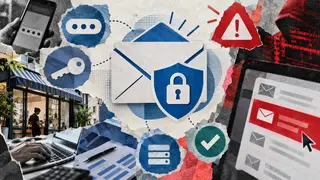
Business email compromise scams caused nearly $3.05 billion in losses during 2025, making them the second-largest category of cyber crime after investment fraud. Small businesses face heightened risk because they typically lack dedicated IT staff and security infrastructure, making their financial accounts and customer data attractive targets for attackers using AI-enhanced phishing techniques. The article outlines five foundational security controls that organizations can implement without specialized expertise, beginning with multifactor authentication across critical accounts.
Business email compromise represents a particularly dangerous threat vector because it exploits human trust rather than technical vulnerabilities. Attackers gain leverage by impersonating authority figures or known business partners, making employees unwitting accomplices in financial theft. The dramatic rise in AI-powered social engineering has eliminated traditional red flags that once signaled fraudulent messages, allowing scammers to craft convincing communications at scale with minimal effort.
Small organizations face disproportionate risk due to resource constraints and operational structure. Unlike larger enterprises with dedicated security personnel and segregated financial controls, small businesses often concentrate critical functions among few employees who lack specialized cybersecurity training. This concentration of responsibility and limited oversight creates opportunities for attackers to manipulate payment processes and access sensitive customer or vendor information.
Small business cybersecurity failures could have cascading economic effects beyond individual victimized companies. If email compromise incidents disrupt customer relationships, damage vendor trust, or drain operational capital, affected businesses may reduce hiring, delay expansion, or face closure—potentially impacting local employment and supply chains. Widespread adoption of basic security controls discussed here could reduce overall fraud losses across the economy, though implementation barriers related to cost, technical knowledge, and competing priorities may limit how many small organizations successfully deploy these defenses.