Hadjar Returns to Competition While Managing Ongoing Wrist Recovery
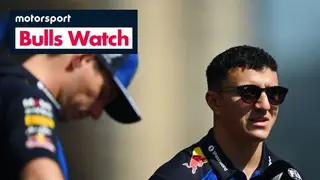
Hadjar made light of his recovery period from injury, though he acknowledged continued restrictions in his wrist mobility. The driver has returned to racing despite not being fully healed from his previous ailment. His gradual comeback demonstrates the physical demands placed on Formula 1 athletes.
Hadjar has resumed his racing schedule while continuing to work through the aftermath of a wrist injury that has not fully resolved. The competitor faces ongoing physical limitations affecting his wrist function, yet has chosen to return to the sport rather than wait for complete healing. This situation reflects the competitive pressures within elite motorsport, where drivers often feel compelled to race despite lingering injuries.
The comeback illustrates broader realities in Formula 1 regarding athlete resilience and medical management. Professional drivers regularly contend with demanding physical conditioning requirements and must balance recovery needs against career momentum and team obligations during a condensed racing calendar.
Hadjar's return could influence discussions about athlete health protocols in Formula 1 and similar high-performance motorsports. His experience may prompt stakeholders—including medical staff, team management, and governing bodies—to examine recovery timelines and workplace accommodations for injured competitors. The outcome of his gradual comeback could shape how the sport approaches injury management going forward, potentially affecting standards for other drivers facing similar circumstances.