Gears of War: E-Day Prequel Delivers Emotional Campaign with Refined Combat Mechanics
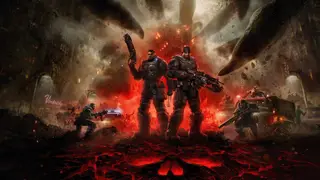
Gears of War: E-Day is a prequel campaign set 14 years before the original game, focusing on the emotional bond between Marcus Fenix and Dom Santiago during the day the Locust invasion begins. The game combines traditional third-person cover shooter gameplay with new Weapon Mod and Tactical Gear customization systems across 15 to 18-hour campaign with dense level design in the industrial city of Kalona. The narrative successfully establishes meaningful emotional stakes despite players knowing the characters' eventual fates.
Gears of War: E-Day functions as a narrative prequel exploring the formative moment when an underground species emerges to attack the surface world of Sera. The game positions itself within a franchise known for combining visceral action gameplay with character-driven storytelling, attempting to create dramatic tension despite audiences' prior knowledge of the protagonists' long-term fates. The campaign spans multiple acts across an industrial urban setting, balancing personal character arcs with large-scale military conflict.
The title introduces mechanical innovations through customizable weapon modifications and tactical gear systems layered atop traditional cover-based shooter mechanics. By establishing the origin story of signature franchise weapons and presenting newly created squad members alongside established characters, the game structures its narrative around both intimate interpersonal drama and apocalyptic world-building.
The release of a major franchise prequel may influence gaming industry trends toward investing in character-focused narratives within action games, potentially affecting how studios balance spectacle with emotional storytelling. Players seeking narrative depth in their gaming experiences could shape demand for similar prequel projects exploring established fictional universes. The game's commercial performance may signal market appetite for revisiting beloved franchises through new temporal perspectives, which could impact future development decisions across the entertainment industry.