Guyana's Farm Sector Stumbles in 2026 After Strong 2025 Growth, Heavy Rain Blamed
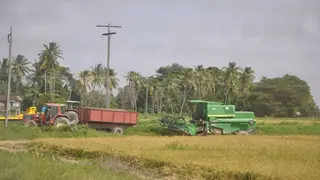
Guyana's agriculture sector recorded robust 11.5 percent growth in 2025, according to Agriculture Minister Zulfikar Mustapha, but momentum slowed sharply in the first half of 2026 as heavy rainfall damaged crops and reduced the combined agriculture, forestry and fishing sector by 0.5 percent. Despite the first-half contraction, individual segments including rice, sugar and livestock production have grown this year. The outcome for 2026 will depend on second-half harvests in a nation whose agricultural output significantly affects food supplies across the Caribbean region.
Guyana's agricultural sector has undergone substantial transformation in recent years, driven by significant government investment. The agriculture budget expanded more than sixfold between 2020 and 2026, reaching over half a billion US dollars. This financial commitment has supported infrastructure and technology adoption, including precision irrigation systems and digital farming tools. Rice production nearly doubled during this period, growing from 500,000 to 810,000 tonnes annually, establishing the sector as a regional food supplier for Caribbean nations prioritizing agricultural self-sufficiency.
The 2026 downturn represents a weather-related setback rather than a structural decline. Individual agricultural segments including rice, sugar, and livestock production continued expanding despite the overall sectoral contraction in the first half of the year. The final annual outcome hinges on second-half harvest performance, leaving open the possibility of renewed growth or sustained weakness depending on rainfall patterns and crop yields through year-end.
The agricultural fluctuations could meaningfully affect Caribbean food security and regional pricing. As a key supplier of priority crops to neighboring islands, Guyana's production challenges may constrain food availability and increase costs across the region. Conversely, sustained growth in the sector could strengthen regional food independence and economic stability. For Guyana itself, agriculture remains important despite the country's expanding oil economy, affecting rural employment, export revenues, and the livelihoods of communities dependent on farming.