Macron and Spain strengthen bilateral ties amid shifting European power dynamics
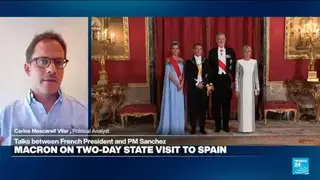
France and Spain are deepening their relationship at a moment when Europe's geopolitical center is moving toward Eastern European nations like Poland. Emmanuel Macron's visit to Spain aims to reinforce the Paris-Madrid axis while advancing broader European defence and strategic sovereignty. The two countries are positioning themselves to maintain influence as the continent's power structure undergoes rapid transformation.
Emmanuel Macron's diplomatic visit to Spain reflects France's strategic reassessment as Eastern European nations, particularly Poland, gain increased influence within European affairs. The French president aims to fortify the bilateral partnership between Paris and Madrid while simultaneously advancing shared objectives regarding continental defence capabilities and autonomous European strategic decision-making. This initiative underscores how Western European powers are responding to structural shifts in the continent's geopolitical landscape.
Political scientist Carlos Mascarell Vilar notes that understanding this bilateral reinforcement requires examining European power dynamics, historical political legacies, and geoeconomic factors. The timing of enhanced Franco-Spanish coordination suggests both nations recognize the need to maintain relevance as Eastern European actors gain prominence in continental policy discussions and alliance-building efforts.
The strengthening of Franco-Spanish ties could affect European defence coordination and strategic autonomy discussions, potentially influencing NATO policies and EU decision-making processes. Member states may experience shifting coalition dynamics, with implications for consensus-building on security matters. Citizens across Europe could see consequences through defence spending priorities and foreign policy orientations. The realignment may also shape future EU institutional balance, affecting how smaller nations can influence continental governance and whether Western or Eastern interests receive greater emphasis in collective European strategies.