GM CEO tempers autonomous vehicle expectations while committing to hands-free highway driving by 2028
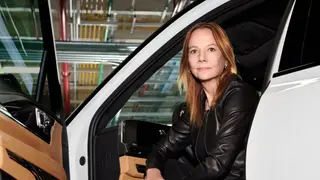
General Motors CEO Mary Barra acknowledged that the electric vehicle revolution is progressing more slowly than previously anticipated, citing regulatory rollbacks and consumer resistance. Despite stepping back from making predictions about the industry, she stated that GM will offer eyes-off-the-road highway driving on the Cadillac Escalade IQ in 2028 as a stepping stone toward full autonomy. The company remains committed to EVs as the eventual goal for its vehicle lineup.
General Motors has adjusted its strategic messaging regarding the automotive industry's transition to electric vehicles and autonomous driving technology. The company previously held more aggressive timelines for both EV market penetration and self-driving capabilities, but external factors—including regulatory policy changes and slower-than-expected consumer adoption rates—have prompted leadership to reassess public commitments. CEO Barra's stated focus on delivering hands-free highway driving functionality by 2028 represents a more incremental approach, positioning this capability as an intermediate step rather than claiming imminent full autonomy.
The broader automotive sector faces headwinds from shifting policy environments and consumer behavior that diverges from earlier industry projections. What automakers anticipated as a rapid transition, with electric vehicles comprising 40-50% of production by 2030, has stalled considerably. This recalibration reflects tension between technological advancement timelines and market realities, including infrastructure limitations and purchasing preferences that have proven more resistant to change than forecasting models suggested.
This shift in GM's public positioning may influence investor confidence and market expectations for the automotive and autonomous vehicle sectors. Consumer decisions about vehicle purchases could be affected by clarity around realistic timelines for advanced driving features. Additionally, the company's more cautious approach may reshape policy discussions around EV incentives and autonomous vehicle regulation, potentially affecting employment in traditional automotive roles and spurring different investment patterns in emerging mobility technologies.