Commercial Space Industry Faces Uncertainty as SpaceX's Dominance Ends
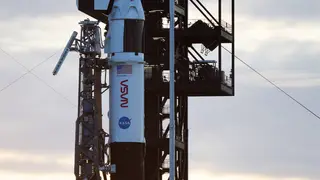
The commercial space industry faces a critical juncture as SpaceX prepares to retire its Falcon 9 rocket, which has dominated global launch services with over 700 successful missions and a 99 percent success rate. The retirement of this reliable and cost-competitive vehicle threatens the entire commercial space sector, which has become dependent on SpaceX's unmatched launch capacity and pricing advantages following the company's recent public offering. Alternative launch providers lack the scale and efficiency to seamlessly replace the market's most utilized rocket, creating potential disruptions for satellite companies and government space operations.
SpaceX's Falcon 9 has served as the backbone of global launch infrastructure, accounting for nearly half of all orbital missions in 2025. The rocket's combination of affordability and reliability—achieved through operational scale—enabled the broader commercial space sector to flourish. The company's recent decision to phase out rideshare missions represents a fundamental shift in market access, as these shared-payload launches have been critical for smaller operators unable to afford dedicated flights.
The industry's rapid expansion has created significant reliance on a single provider. While alternative launch companies have emerged, none possess Falcon 9's cost structure or flight frequency. The gap between SpaceX's operational capabilities and competitors' capacity may create pricing pressure and scheduling constraints for satellite operators and government agencies accustomed to accessible, affordable launch options.
The potential disruption could affect multiple sectors dependent on reliable space access. Satellite communications companies, Earth observation operators, and national security space programs may face higher launch costs or scheduling delays. Smaller space startups that built business models around affordable rideshare access could encounter viability challenges. Internationally, nations relying on SpaceX launches for strategic capabilities might reassess space independence initiatives. Conversely, competing launch providers could benefit from increased demand and market consolidation opportunities.