Geopolitical Tensions and Supply Disruptions Push Oil Prices to Three-Figure Territory
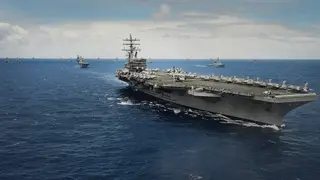
Brent crude surged above $100 per barrel, reaching $102.31, driven by escalating Middle East tensions and China's cancellation of all October fuel exports, which has pushed diesel prices to $6.39 per gallon. The deployment of a third U.S. aircraft carrier to the region and reports of stalled Iran negotiations have sparked energy market volatility, though no confirmed supply cuts have yet materialized. Energy sector funds including XLE and individual stocks like Exxon and Chevron gained ground, though analysts caution that the current price spike relies heavily on geopolitical headlines rather than actual confirmed supply disruptions.
Energy markets absorbed two concurrent pressures on October 1st: diplomatic breakdown between the U.S. and Iran alongside reports of expanded American military positioning in the Middle East. These developments lack concrete evidence of actual supply disruption but have driven investor sentiment sharply upward. Simultaneously, China's decision to halt refined product exports for the month has created immediate strain, particularly visible in diesel prices that now approach record highs set weeks earlier.
The divergence between Brent and U.S. crude prices suggests the tension centers on international seaborne supply chains rather than domestic American production. Investment vehicles tracking oil show markedly different performance: futures-based funds face structural costs when rolling contracts forward, while equity holdings in major energy producers benefit from higher benchmark prices without incurring those drag effects.
Elevated crude and diesel prices could increase transportation and manufacturing costs across supply chains dependent on freight movement, potentially flowing through to consumer goods pricing. Energy sector investors may see portfolio gains, though analysts caution that current valuations rest primarily on geopolitical risk rather than confirmed supply losses. The sustainability of these price levels may depend heavily on whether diplomatic or military developments materialize into actual production cuts, or whether markets perceive the immediate threat as temporary and risk premiums compress accordingly.