Television Producer Goes to Trial on Multiple Sexual Assault Charges
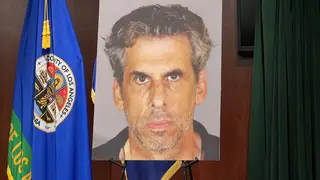
A former television writer and producer known for work on shows including "Scrubs" and "Californication" faces trial on accusations from seven women who allege he sexually assaulted them after luring them with promises of photography work. Prosecutors claim the 66-year-old defendant employed a consistent pattern of meeting young women in public, misrepresenting his status, and requesting photographs before committing assault. Opening arguments in the case began this week in Los Angeles.
Eric Weinberg, 66, is standing trial in Los Angeles on 23 counts across five separate charges related to allegations spanning the 2010s. The prosecution's case centers on testimony from seven women who describe a similar sequence of events: initial meetings in public settings where Weinberg presented himself as an established television writer and photography enthusiast, followed by invitations to his residence for photo sessions. Prosecutors allege that once inside his home, Weinberg would persuade the women to pose in states of undress before initiating unwanted sexual contact.
The defense strategy acknowledges Weinberg's behavior as socially objectionable while contesting whether it meets the legal threshold for criminal conduct. The charges require prosecutors to demonstrate that sexual acts occurred through force, violence, duress, menace, or threats of bodily injury—elements the defense claims cannot be established given the circumstances alleged.
The case may influence ongoing discussions about consent, coercion, and the legal boundaries between predatory social manipulation and criminal sexual assault. For survivors' advocacy groups, the trial's outcome could signal how courts weigh patterns of deceptive conduct against explicit physical force in sexual assault prosecutions. The proceedings may also affect industry accountability measures in entertainment, where power imbalances and professional gatekeeping have historically enabled abuse. The verdict could shape how future cases frame consent violations occurring without overt physical violence.