Pebble's Index 01 Ring Outperforms Traditional Wearables for Voice-Activated Task Management
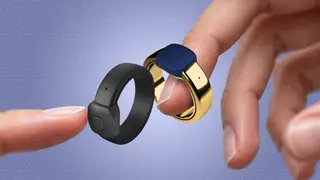
Pebble's new Index 01 ring, unveiled at CES 2026, has proven more effective than smartwatches and traditional note-taking applications for capturing and organizing daily tasks. The device uses voice commands processed through an on-device language model to create notes, set reminders, manage calendar events, and control music playback without requiring charging. Its simplicity and effectiveness have led the reviewer to replace multiple productivity tools with this single wearable device.
The Index 01 distinguishes itself through its streamlined design and on-device processing capabilities. Rather than relying on cloud-based voice assistants, the ring processes commands locally through its integrated language model, enabling faster response times and reducing dependency on internet connectivity. The device's button placement allows for intuitive thumb activation even during multitasking scenarios, addressing a practical limitation of traditional smartwatch voice commands that require verbal wake phrases.
The ring's functionality extends beyond note-taking to encompass calendar management, music controls, and web searches through simple button combinations. Its ability to operate without regular charging addresses a longstanding pain point in wearable technology. By consolidating multiple productivity applications into a single interface, the Index 01 represents a shift toward minimalist, task-focused wearables that prioritize usability over comprehensive feature sets.
The Index 01 could reshape expectations around wearable design by prioritizing simplicity and battery efficiency over extensive health monitoring features. If the device gains market adoption, manufacturers may reconsider the feature-maximization approach that has dominated smartwatch development, potentially creating new market segments for specialized task-focused wearables. However, widespread impact may depend on the device's price point, durability, and whether consumers value hands-free productivity over comprehensive health tracking typically offered by mainstream wearables.